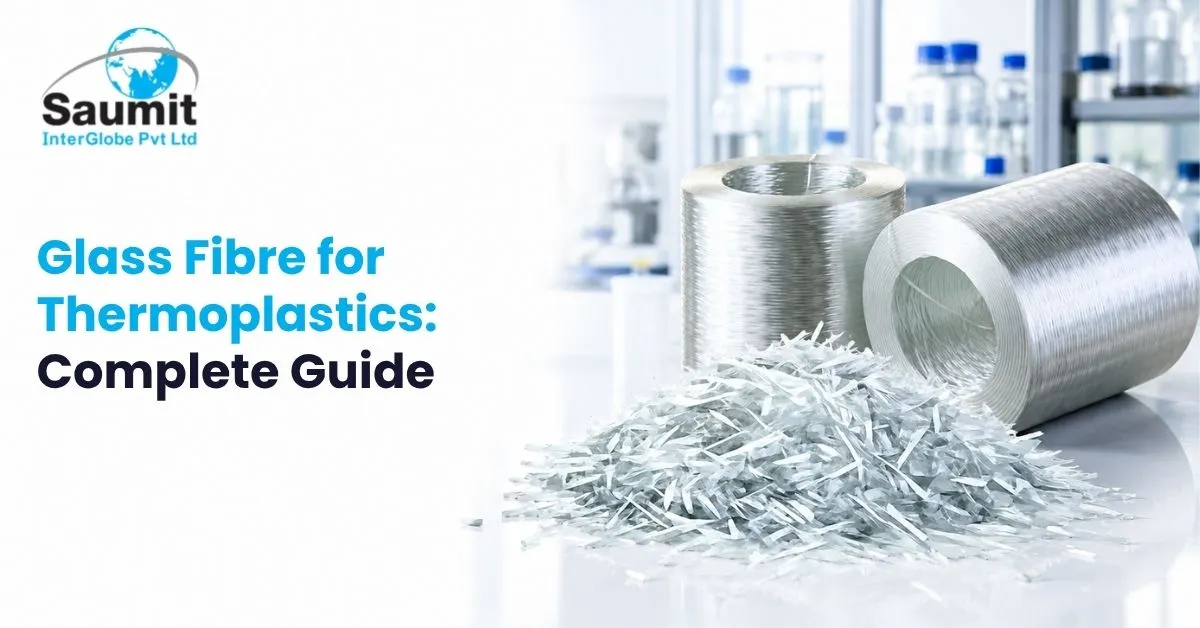
Thermoplastic composite materials combine a thermoplastic polymer with reinforcement to meet engineering needs. Glass fibre is commonly selected to improve stiffness, strength, and dimensional stability in parts produced by compounding, injection moulding, or extrusion. When choosing Glass Fibre for Thermoplastics, manufacturers should consider resin compatibility, fibre length, reinforcement percentage, and the component’s service environment. Processing affects fibre distribution and orientation, so equipment settings and quality control matter. Trade-offs can include greater density, reduced ductility, and abrasive wear. Material trials help confirm performance and cost.
Thermoplastics are widely used in automotive, electrical, electronics, appliance, and industrial manufacturing because they are lightweight and easy to process. However, standard thermoplastics may lack the strength and stiffness required for demanding applications. Reinforcement helps overcome these limitations while preserving…
 +91 6358172453

 info@saumitgroup.com