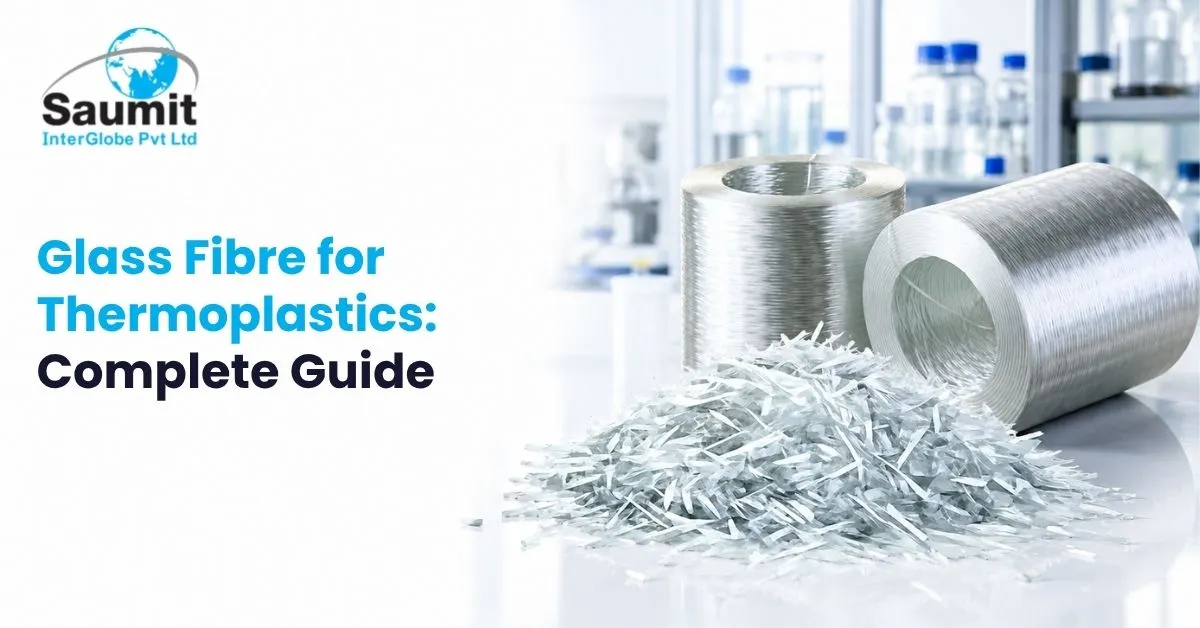
Glass fiber reinforced thermoplastics combine thermoplastic resin with glass fibres to improve stiffness, strength, and dimensional stability. They are used in automotive parts, electrical housings, appliances, and industrial components where standard plastics may fall short. Choosing Glass Fibre for Thermoplastics requires attention to resin compatibility, fibre content, fibre length, and processing conditions. Injection moulding and compounding influence fibre orientation and retained length, affecting the final part. Manufacturers should assess temperature, moisture, chemical exposure, and mechanical loads. Testing helps confirm durability, processability, and cost.
Thermoplastics are widely used in automotive, electrical, electronics, appliance, and industrial manufacturing because they are lightweight and easy to process. However, standard thermoplastics may lack the strength and stiffness required for demanding applications. Reinforcement helps overcome these limitations while preserving…
 +91 6358172453

 info@saumitgroup.com